Abstract Design Background: Evaluating High-Resolution 3D Assets for Professional Use
In the contemporary digital landscape, visual identity is paramount. Whether for corporate branding, social media engagement, or physical print materials, the choice of background imagery significantly influences audience perception. The Abstract Design Background has emerged as a versatile tool for designers and content creators seeking to convey modernity, creativity, and sophistication without the constraints of literal representation. Specifically, high-resolution assets featuring 3D abstract elements, such as pink fantastic curved shapes, offer a unique blend of artistic flair and technical precision.
This article evaluates the utility, benefits, and practical considerations of integrating premium abstract backgrounds into your design workflow. By understanding the technical specifications and aesthetic implications of these assets, you can make informed decisions about their suitability for your specific projects.
Understanding the Abstract Design Background
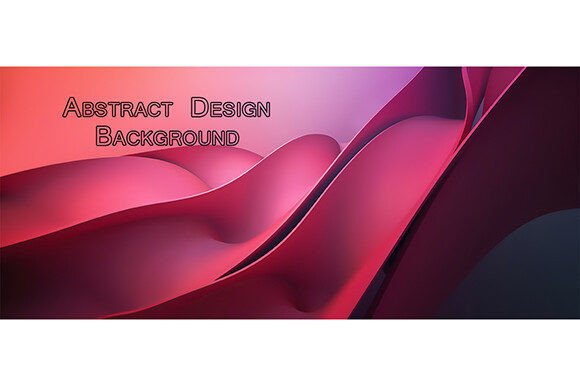
An Abstract Design Background is a non-representational visual element used to support foreground content. Unlike photographic backgrounds that depict real-world scenes, abstract designs rely on shapes, colors, textures, and forms to evoke emotion or establish a mood. The specific asset in question—a 3D abstract design featuring pink fantastic curved shapes—exemplifies the current trend toward soft, organic geometry combined with vibrant, eye-catching color palettes.
The "3D" aspect refers to the rendering technique, which creates an illusion of depth and volume. This adds a layer of realism and tactile quality to the image, making it appear more dynamic than flat, two-dimensional graphics. The "pink fantastic curved shapes" suggest a playful yet elegant aesthetic, often associated with innovation, creativity, and approachability. When delivered in a high-resolution format, such as 4807x2100 pixels at 300 DPI, these backgrounds provide the flexibility required for both digital and print applications.
Why Consider High-Resolution Abstract Backgrounds?
Designers and marketers often turn to abstract backgrounds for several strategic reasons. Firstly, they offer visual neutrality. Because they do not depict specific objects or people, they rarely clash with foreground text or product images. This makes them ideal for layouts where readability and focus on the primary message are critical.
Secondly, abstract designs facilitate brand differentiation. In a saturated market, unique visual assets help brands stand out. The use of distinctive color schemes, such as the pink hues in this asset, can align with brand guidelines or target demographic preferences. For instance, pink is often associated with compassion, nurturing, and love, but in a modern 3D context, it can also signify boldness and contemporary style.
Thirdly, the technical quality of the asset plays a crucial role. A resolution of 4807x2100 pixels ensures that the image remains crisp and clear even when scaled for large-format prints. The 300 DPI (dots per inch) specification is the industry standard for high-quality printing, ensuring that there is no pixelation or loss of detail in physical products like posters, packaging, or wall art.
Benefits and Practical Applications
The versatility of a premium JPEG abstract background allows for widespread application across various media channels. Below are key areas where this type of asset proves particularly effective:
- Digital Branding and Web Design: The wide aspect ratio (4807x2100) is well-suited for website headers, hero sections, and banner ads. The smooth curves and gradient-like qualities of 3D renders create a seamless backdrop for navigation menus and call-to-action buttons.
- Social Media Content: High-resolution images can be cropped and adapted for various platforms, including Instagram posts, LinkedIn banners, and Pinterest pins. The vibrant pink tones are likely to capture attention in crowded social feeds.
- Print Materials: With 300 DPI resolution, the file is ready for professional printing. It serves as an excellent background for business cards, invitations, postcards, and notebooks. The abstract nature ensures that text printed over the image remains legible, provided appropriate contrast is maintained.
- Packaging and Product Design: For brands seeking a modern, artistic look, this background can be used on product packaging, labels, or promotional materials. The 3D effect adds a sense of premium quality and depth to the overall presentation.
- Wall Art and Decor: The aesthetic appeal of 3D abstract shapes makes them suitable for decorative purposes. Printed on canvas or high-quality paper, these images can serve as modern wall art for offices, homes, or retail spaces.
Tradeoffs and Considerations
While abstract backgrounds offer numerous advantages, there are tradeoffs and considerations to keep in mind. One primary concern is file size and format. The asset is provided in JPEG format, which is widely compatible but uses lossy compression. While suitable for most applications, repeated editing and saving in JPEG can lead to quality degradation. For extensive graphic design work involving layers and transparency, converting the image to a lossless format like PNG or TIFF may be necessary during the editing phase.
Another consideration is color accuracy. Pink hues can vary significantly across different devices and printing methods. It is essential to calibrate monitors and request print proofs to ensure that the color matches your brand standards. The "fantastic" nature of the curves implies a stylized look, which may not align with brands seeking a minimalist or ultra-corporate aesthetic.
Additionally, while the resolution is high, the aspect ratio is fixed. If your project requires a square or vertical layout, you will need to crop the image, potentially losing some of the compositional balance. Designers should plan their layouts accordingly to preserve the integrity of the 3D shapes.
When to Choose This Asset vs. Alternatives
Deciding whether to use this specific Abstract Design Background depends on your project goals. It is a strong fit when:
- You need a modern, eye-catching backdrop that conveys creativity and energy.
- Your project involves both digital and print mediums, requiring a single high-resolution source file.
- You want to avoid the distractions of photographic elements while maintaining visual interest.
- Your brand palette includes or complements pink, purple, or warm tones.
However, alternatives may be worth considering if:
- Your brand identity is strictly monochromatic or relies on cool tones like blue and gray.
- You require transparent backgrounds for overlaying complex graphics; in this case, vector-based abstract designs or PNGs with alpha channels might be more suitable.
- You need editable elements; since this is a flattened JPEG, you cannot manipulate individual 3D shapes or adjust lighting within the image itself.
Making an Informed Decision
Selecting the right background is a strategic decision that impacts the effectiveness of your communication. The Abstract Design Background with 3D pink curved shapes offers a compelling combination of aesthetic appeal and technical robustness. Its high resolution and 300 DPI rating make it a reliable choice for professional applications, from web banners to physical packaging.
To maximize its value, consider your specific use cases. Ensure that the color palette aligns with your brand identity and that the aspect ratio fits your layout requirements. By evaluating these factors, you can determine whether this asset aligns with your goals and enhances your visual storytelling. Ultimately, the right background should not only look good but also function effectively to support your content and engage your audience.