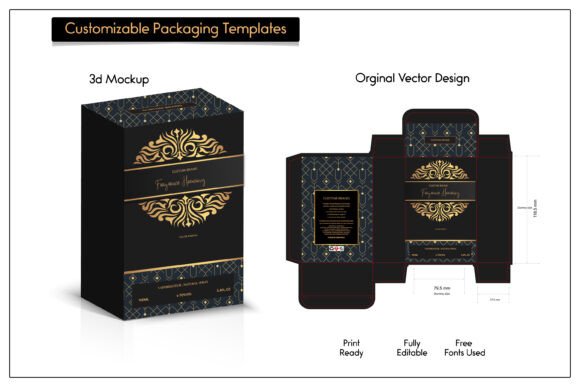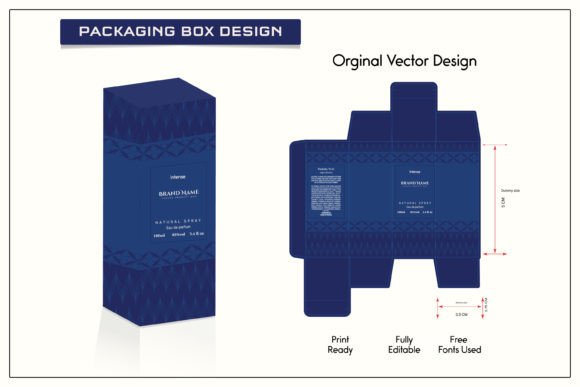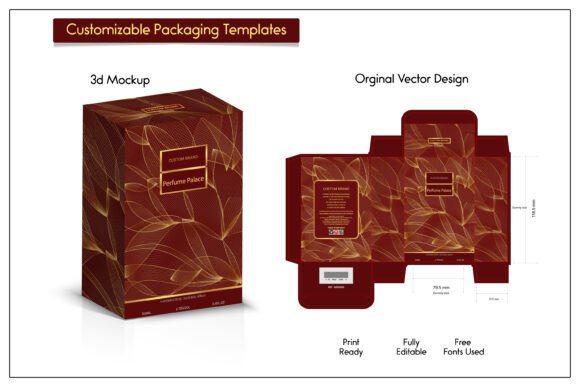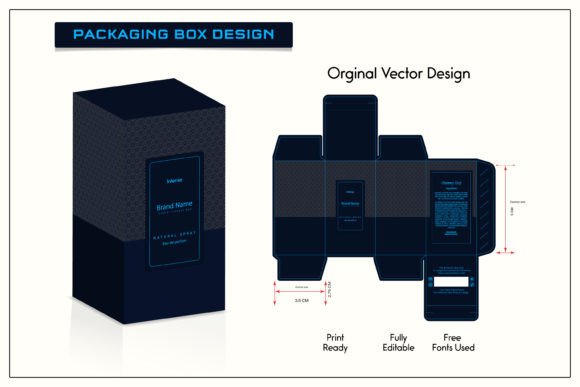
Elevating Brand Identity with Premium 3D Die-Line Packaging Mockups and Vector Design Templates
In the competitive landscape of modern retail, the unboxing experience has evolved from a mere logistical necessity into a critical component of brand storytelling. For designers, marketing teams, and product developers, the ability to visualize a package before it enters production is invaluable. This is where a Premium 3D Die-Line Packaging Mockup becomes an essential tool. Unlike standard flat designs, these advanced digital assets bridge the gap between conceptual artwork and physical reality, offering a precise, scalable, and realistic representation of how a product will appear on the shelf.
Whether you are developing a luxury packaging box for high-end fragrance perfume or creating sustainable packaging solutions for eco-conscious consumer goods, the quality of your design template dictates the efficiency of your workflow. By utilizing high-fidelity 3D illustrations and vector design templates, professionals can iterate faster, reduce prototyping costs, and ensure that every frame and design element aligns perfectly with the structural integrity of the box.
The Distinct Value of 3D Die-Line Accuracy
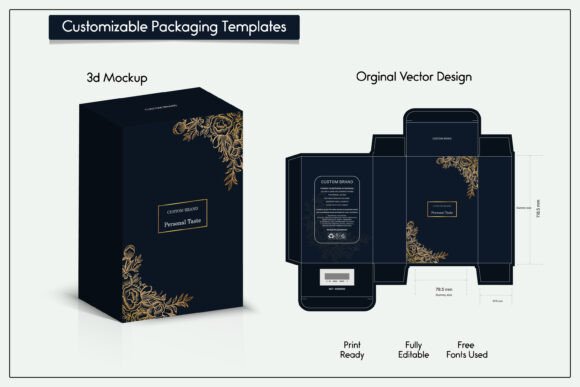
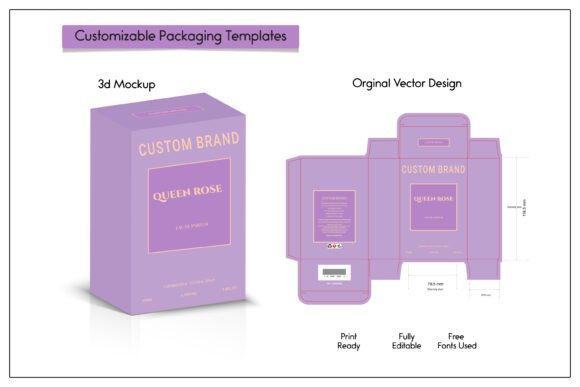
The term "die-line" refers to the custom-shaped cutting guide used in manufacturing to determine the final shape of a package. In traditional design workflows, aligning graphic elements with these complex folds and cuts can be prone to error. A premium 3D die-line packaging mockup resolves this by providing a spatially accurate map of the package. This ensures that logos, text, and intricate patterns wrap around corners and folds without distortion or misalignment.
For industries such as cosmetics and pharmaceuticals, where regulatory information must be placed within specific zones, this precision is non-negotiable. When working with a fragrance perfume luxury box, for example, the aesthetic appeal relies heavily on symmetry and finish. A high-quality mockup allows designers to preview how metallic foils, embossing, or matte finishes interact with light in a three-dimensional space. This level of detail is often missing in basic 2D templates, which can lead to costly revisions during the printing phase.
Vector Versatility vs. Raster Limitations
One of the most significant advantages of using a vector design template over standard raster images is scalability. Vector graphics are based on mathematical equations rather than pixels, meaning they can be resized to any dimension without losing quality. This is particularly important for bespoke packaging box projects that may need to be adapted for various product sizes or regional markets.
When you utilize a template that includes original vector artwork, you gain the flexibility to modify every aspect of the design. You can adjust colors to match specific brand guidelines, resize labels to fit different bottle shapes, or alter the layout to accommodate new marketing copy. In contrast, raster-based mockups (such as standard JPEGs) become pixelated when enlarged, limiting their utility for large-format retail packaging design or high-resolution print proofs. The ability to convert designs to any size without loss of quality ensures that your visual assets remain crisp and professional, regardless of the output medium.
Comparing Approaches: Custom Design vs. Template-Based Workflow
Designers often face a choice between creating a custom packaging box design from scratch or utilizing a comprehensive design template. Both approaches have merit, but they serve different stages of the development process.
- Custom Design from Scratch: This approach offers total creative freedom but requires significant time and technical expertise in structural engineering. It is best suited for entirely unique box shapes that do not conform to standard industry dimensions.
- Template-Based Workflow: Using a premium 3D packaging box design vector accelerates the initial concept phase. These templates provide a reliable foundation, including pre-set die-lines and layer structures. This allows designers to focus on creative packaging ideas and surface aesthetics rather than recalculating fold mechanics.
For most businesses, especially those launching new product lines, a hybrid approach is often the most effective. Starting with a robust vector template allows for rapid prototyping and client presentations. Once the design direction is approved, specific elements can be customized further to create a truly bespoke packaging box. This balance between efficiency and customization helps manage budgets while maintaining high design standards.
Applications Across Industries: From Luxury to Sustainability
The versatility of 3D box packaging design extends far beyond a single sector. While luxury brands have long utilized sophisticated packaging to convey exclusivity, other industries are increasingly recognizing its value.
Luxury and Fragrance
In the world of high-end perfumes and cosmetics, the package is often perceived as part of the product itself. A luxury packaging box design must convey weight, texture, and elegance. 3D mockups allow designers to simulate soft-touch coatings, spot UV varnishes, and foil stamping. By visualizing these elements digitally, brands can ensure that the tactile experience matches the visual promise, reducing the risk of disappointing customers upon delivery.
Eco-Friendly and Sustainable Solutions
As consumer preference shifts toward environmental responsibility, eco-friendly packaging design has become a priority. Sustainable packaging solutions often involve unconventional materials, such as recycled corrugated cardboard or molded pulp, which behave differently than standard paperboard. A detailed 3D illustration helps designers understand how these materials will look and feel. It also aids in minimizing material waste by optimizing the die-line layout, ensuring that every square inch of material is used efficiently. This aligns with the growing demand for innovative packaging design that reduces environmental impact without sacrificing aesthetic appeal.
Retail and Corrugated Packaging
For e-commerce and retail shipping, corrugated packaging design focuses on durability and protection. However, this does not mean the design must be utilitarian. Branded shipping boxes serve as mobile billboards. Using a 3D mockup, companies can test how their branding appears on larger, sturdier boxes, ensuring that logos remain visible and impactful even after the rigors of transit. This is crucial for retail packaging design where shelf presence and unboxing experiences drive social media engagement and brand loyalty.
Technical Specifications and File Management
To fully leverage the benefits of these design resources, understanding the file formats provided is essential. A comprehensive package typically includes a ZIP file containing multiple formats to suit various stages of the design and production process.
- AI File (Adobe Illustrator): This is the primary working file for designers. It contains editable vector layers, allowing for complete control over colors, shapes, and text. It is ideal for creating the final print-ready artwork.
- PDF Print File: Portable Document Format files are universally accepted by printers. They preserve fonts, vectors, and color profiles, ensuring that what you see on screen is what gets printed. This format is crucial for final proofing and submission to manufacturing partners.
- JPG File: High-resolution JPEGs are useful for quick previews, client presentations, or web-based portfolios. While not editable, they provide a realistic snapshot of the final design without requiring specialized software to view.
Users can extract these files using standard software such as WinRAR or WinZip. The modular nature of these files means you can create a design and place it above in a separate layer, keeping the underlying structure intact. This non-destructive workflow is vital for maintaining version control and making iterative improvements based on feedback.
Making the Right Choice for Your Project
Deciding whether to invest in a premium 3D die-line packaging mockup depends on your project's scope and requirements. If you are producing a one-off prototype for internal review, a simple 2D render might suffice. However, for commercial products intended for mass production, the accuracy and realism offered by 3D vector templates are indispensable.
Consider the following factors when evaluating your options:
- Complexity of Structure: Complex folds and unique shapes benefit significantly from 3D visualization to avoid structural failures.
- Brand Consistency: Vector templates ensure that colors and logos remain consistent across different product sizes and batches.
- Time Constraints: Pre-made templates drastically reduce the time spent on technical setup, allowing more focus on creative execution.
- Print Readiness: Professional-grade files include necessary bleed areas and color modes (CMYK), reducing the risk of printing errors.
Ultimately, the goal of packaging design trends is to connect with the consumer on both visual and tactile levels. By utilizing high-quality 3D illustrations and vector design templates, brands can achieve a level of polish and professionalism that stands out in a crowded marketplace. Whether you are designing for fragrance, food, electronics, or fashion, the right digital tools empower you to bring your creative packaging ideas to life with confidence and precision.