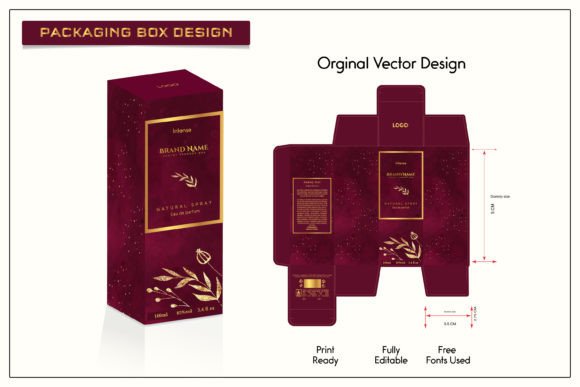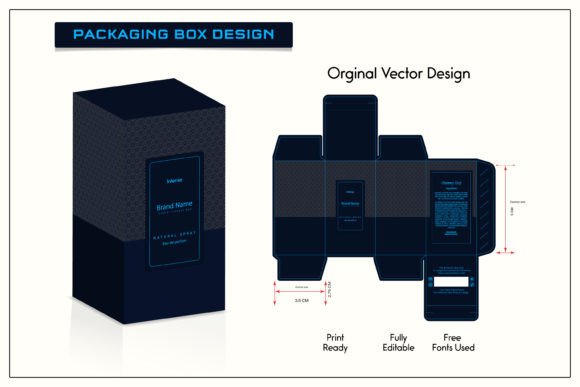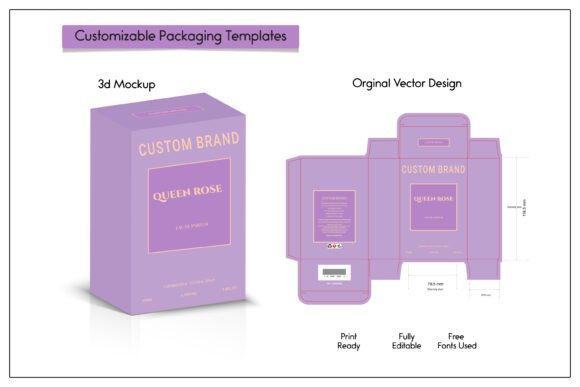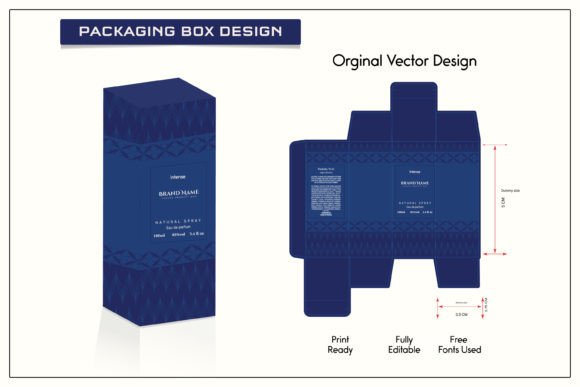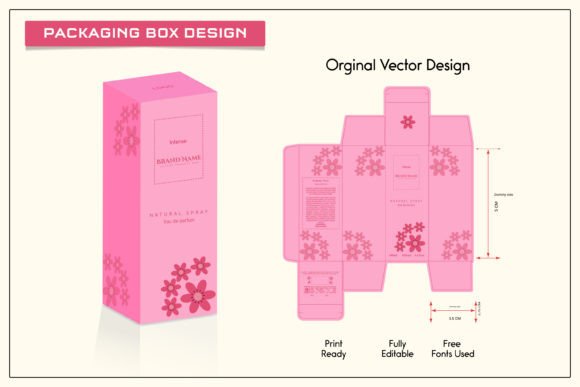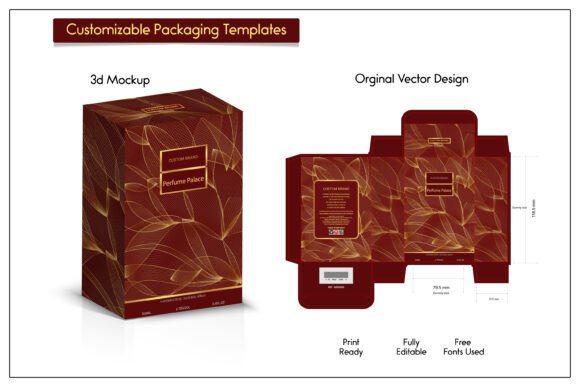
Elevating Brand Identity Through Precision 3D Packaging Box Vector Design
In the contemporary retail landscape, the unboxing experience has transcended its utilitarian roots to become a pivotal touchpoint in customer engagement. For brands operating in competitive sectors ranging from cosmetics to consumer electronics, the physical presentation of a product is often the first tangible interaction a consumer has with the brand ethos. This shift has catalyzed a surge in demand for high-fidelity digital assets, specifically the 3d Packaging Box Vector for Any Product. These digital templates are not merely graphic files; they are the architectural blueprints of modern brand storytelling, enabling designers to visualize, iterate, and perfect packaging concepts before a single sheet of cardboard is cut.
The Strategic Value of Vector-Based Packaging Design
The transition from static 2D mockups to dynamic 3d packaging box design vector solutions represents a significant evolution in creative workflows. Traditionally, visualizing a package required physical prototyping, a process that was both time-consuming and costly. Today, advanced vector templates allow for the creation of photorealistic 3d Illustration outputs that mimic light, shadow, and texture with remarkable accuracy. This technological leap aligns with broader industry trends where speed-to-market and agile design iterations are paramount.
When professionals utilize a 3d Box die line integrated within a vector environment, they gain the ability to manipulate every aspect of the package structure. Whether it is adjusting the flap dimensions for a Luxury Packaging Box or refining the curvature for a Fragrance perfume Premium Packaging Box Design, the flexibility of vector graphics ensures that scalability never compromises quality. This is crucial for businesses that need to adapt their packaging for various retail channels, from e-commerce shipping boxes to high-end boutique displays.
Meeting the Demand for Luxury and Sustainability
Consumer preferences are increasingly bifurcated into two distinct yet complementary demands: luxury and sustainability. On one hand, there is an enduring appetite for Luxury packaging box designs that convey exclusivity through tactile finishes, embossing, and intricate frames and Design elements. On the other hand, the global push towards Eco-friendly packaging design and Sustainable packaging solutions requires materials and structures that minimize waste without sacrificing aesthetic appeal.
A robust Vector design Template serves as the bridge between these two worlds. By using a 3d Packaging Box Vector for Any Product, designers can experiment with minimalist structures that reduce material usage while simultaneously applying high-end visual effects such as foil stamping or spot UV coatings in the digital realm. This allows brands to commit to Innovative packaging design that respects environmental constraints while still delivering the premium feel expected by discerning customers. For instance, a Bespoke packaging box for a niche perfume brand can be designed to use recycled corrugated materials, yet the 3d Box Packaging Design can render it with the elegance of rigid board through careful lighting and texture mapping.
Enhancing Workflow Efficiency with Comprehensive Design Assets
The modern creative professional operates in a fast-paced environment where efficiency is as valuable as creativity. The availability of comprehensive asset packs, including Box Mockup labels, 3d Illustration layers, and pre-configured Box die line structures, significantly accelerates the design process. Instead of building a package structure from scratch, designers can leverage these templates to focus on branding, typography, and visual hierarchy.
Consider the workflow involved in creating a Retail packaging design for a new skincare line. Using a high-quality 3d packaging box design vector, a designer can instantly visualize how the label interacts with the box’s geometry. They can test different color palettes and Creative packaging ideas in real-time, ensuring that the final Product packaging design stands out on crowded shelves. This iterative capability is essential for adhering to current Packaging design trends, which favor bold typography, clean lines, and interactive elements.
Furthermore, the technical versatility of these files cannot be overstated. A typical delivery might include a zip file containing:
- AI File: Fully editable Adobe Illustrator vectors, allowing for precise manipulation of paths, colors, and text.
- PDF Print File: High-resolution output ready for professional printing presses, ensuring color fidelity and sharpness.
- Jpg File: Quick-view previews for client presentations and internal reviews.
These formats ensure compatibility across various software ecosystems, making them accessible to freelancers, agencies, and in-house design teams alike. The ability to unzip these files using standard software like WinRAR or WinZip and immediately begin working reduces friction in the early stages of project development.
The Role of Customization in Brand Differentiation
In an era where mass production is the norm, Custom packaging box design has become a key differentiator. Brands are no longer satisfied with off-the-shelf solutions; they seek Bespoke packaging box configurations that reflect their unique identity. The 3d Packaging Box Vector for Any Product facilitates this customization by providing a flexible foundation that can be adapted to any industry.
For example, in the food and beverage sector, Corrugated packaging design must balance durability with visual appeal. A vector template allows designers to reinforce structural integrity in the digital model while applying vibrant, appetizing graphics. Similarly, in the tech industry, sleek, minimalist Luxury Packaging Box Design is often preferred to convey sophistication and precision. The same vector principles apply, demonstrating the universal applicability of these tools.
The integration of Design elements such as custom dies, windows, and inserts can also be visualized effectively. By placing these elements on separate layers within the 3d Illustration, designers can communicate complex structural ideas to manufacturers clearly. This reduces the likelihood of production errors and ensures that the final physical product matches the digital vision.
Future-Proofing Design with Scalable Vector Graphics
As display technologies advance and consumer screens become higher resolution, the need for scalable graphics intensifies. Raster images often pixelate when enlarged, but vector graphics remain crisp at any size. This characteristic is vital for Premium Packaging Box Design for All Industries, where logos and intricate patterns must look flawless whether viewed on a smartphone screen or a large-format retail display.
The 3d Box Packaging Design templates available today are built with this future-proofing in mind. They offer 100 original vector Design and artwork that can be converted to any size without the loss of quality. This scalability empowers brands to maintain consistency across diverse touchpoints, from social media ads to physical point-of-sale materials. It also supports the growing trend of omnichannel retailing, where a seamless visual identity is crucial for brand recognition.
Moreover, the ease of resizing these templates to fit specific product dimensions encourages experimentation. Designers can quickly adapt a standard box shape to accommodate limited-edition products or seasonal variations, keeping the brand’s packaging fresh and engaging. This agility is a competitive advantage in markets where Packaging design trends evolve rapidly.
Practical Applications Across Industries
The versatility of 3d Packaging Box Vector for Any Product extends beyond traditional retail. In the pharmaceutical industry, clear and compliant labeling is critical, and vector templates ensure that text remains legible and precise. In the luxury goods sector, the emphasis is on texture and finish, which can be simulated through sophisticated layering in 3d Illustration software. Even in the burgeoning direct-to-consumer market, where shipping durability is paramount, Corrugated packaging design templates help optimize box strength while maintaining brand aesthetics.
Entrepreneurs and startups benefit immensely from these resources. Without the budget for extensive physical prototyping, they can use 3d packaging box design vector tools to create professional-grade presentations for investors and customers. This democratization of high-end design tools levels the playing field, allowing smaller brands to compete with established players in terms of visual polish and perceived value.
Ultimately, the adoption of these advanced design resources reflects a broader shift towards digital-first creation. By leveraging Vector design Template systems, professionals can reduce waste, accelerate timelines, and enhance creative freedom. The result is a more sustainable, efficient, and visually compelling packaging ecosystem that meets the evolving expectations of modern consumers.
To maximize the utility of these assets, users should familiarize themselves with layer management in vector software. Keeping design elements, such as logos and text, on separate layers above the base Box Mockup labels allows for non-destructive editing. This practice ensures that the underlying structure remains intact while the branding can be updated effortlessly. As the industry continues to embrace Innovative packaging design, the synergy between technical precision and creative vision will remain the cornerstone of successful product launches.
In conclusion, the 3d Packaging Box Vector for Any Product is more than a design tool; it is a strategic asset that enables brands to navigate the complexities of modern retail. By combining the precision of vector graphics with the realism of 3D modeling, these templates empower creators to deliver Premium Packaging Box Design for All Industries that is both beautiful and functional. As sustainability and customization continue to drive market dynamics, the role of high-quality digital packaging assets will only grow in importance, shaping the future of how products are presented and perceived.