Elevating Brand Identity Through 3D Designs for Perfume Packaging
In the highly competitive fragrance industry, the visual presentation of a product is often just as critical as the scent itself. Consumers make split-second decisions based on aesthetic appeal, tactile experience, and perceived value. This is where 3D Designs for Perfume Packaging become indispensable tools for modern brands. By leveraging advanced digital modeling and vector artistry, creators can prototype, visualize, and finalize packaging concepts with unprecedented precision before a single sheet of cardboard is cut. This digital-first approach not only streamlines the production workflow but also allows for infinite creative experimentation without the prohibitive costs associated with physical prototyping.
The Strategic Value of Luxury Perfume Packaging Box Design
Luxury Perfume Packaging Box Design is more than mere containment; it is a narrative device. The box serves as the first chapter of the customer’s journey, setting expectations for the quality and character of the fragrance within. High-end brands utilize complex structural designs, embossing, foil stamping, and unique textures to convey exclusivity. However, achieving this level of sophistication requires meticulous planning. Digital design templates allow designers to map out every fold, glue tab, and cut line with exactitude. When you utilize professional-grade assets, you ensure that the final physical product mirrors the digital vision perfectly, maintaining the integrity of the brand’s luxury positioning.
Furthermore, the ability to visualize these designs in three dimensions provides a significant advantage during the client approval process. Stakeholders can rotate, zoom, and inspect the virtual package from every angle, identifying potential design flaws or aesthetic mismatches early in the development cycle. This reduces waste and accelerates time-to-market, a crucial factor in an industry driven by seasonal launches and trending notes.
Understanding the Technical Foundation: 3D Box Die Lines and Mockups
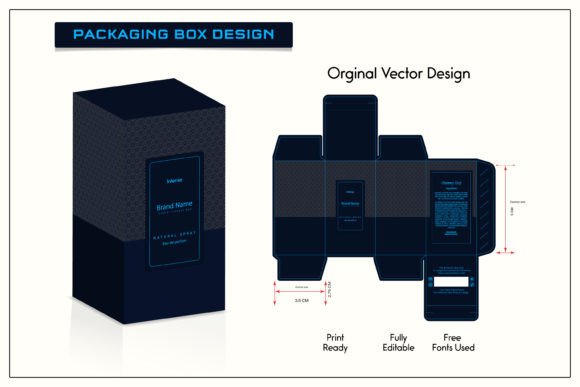
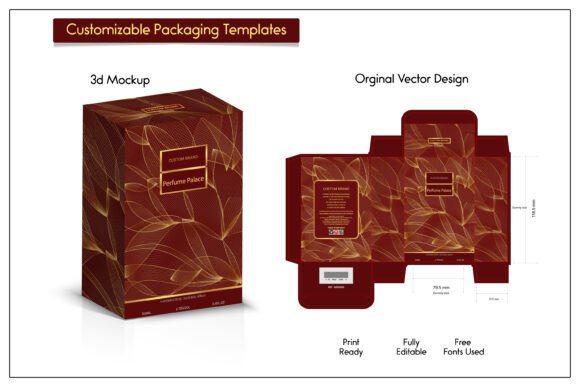
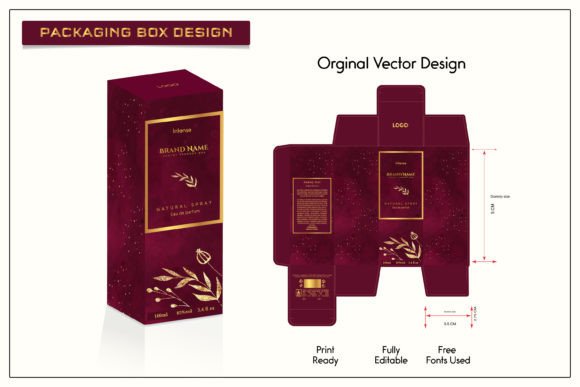
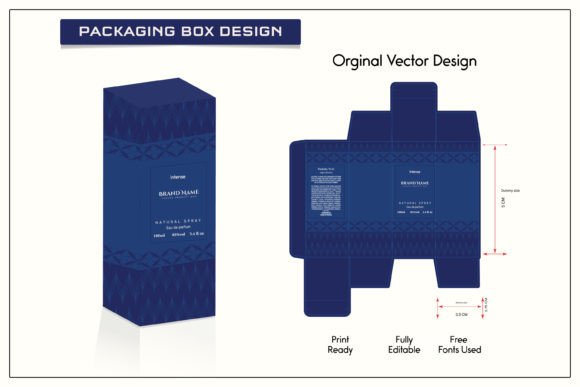
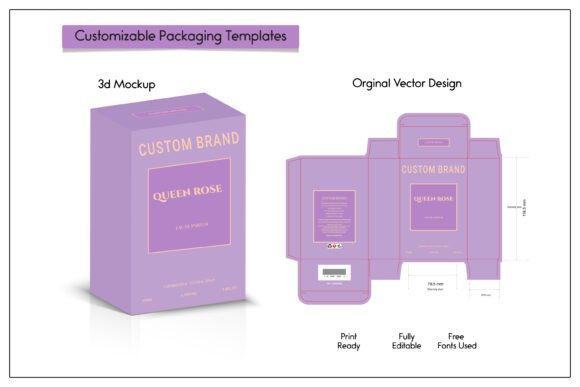
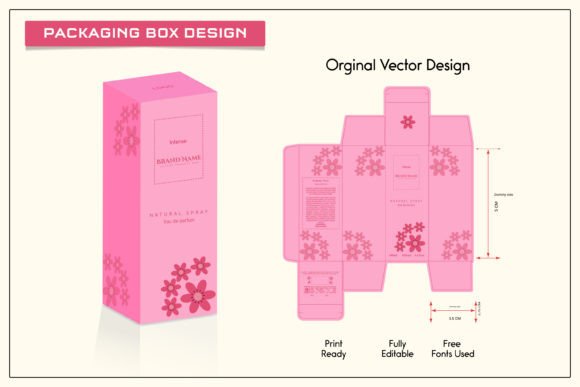
At the heart of any successful packaging project lies the 3D box die line. This technical blueprint defines the structural geometry of the package. It dictates how flat material transforms into a three-dimensional object. A precise die line ensures that panels align correctly, locking mechanisms function smoothly, and the overall structure remains robust enough to protect the delicate glass bottle inside. Without an accurate die line, even the most beautiful graphics will fail to translate into a functional product.
Complementing the die line is the Box Mockup. A high-quality mockup acts as a realistic simulation of the final product. It allows designers to apply their graphics onto the 3D structure, providing a true-to-life representation of how light interacts with surfaces, how shadows fall across folds, and how colors appear in context. These mockups are essential for creating marketing materials, pitch decks, and e-commerce listings before the actual inventory is manufactured. They bridge the gap between conceptual art and physical reality, offering a tangible sense of the product’s presence.
The Role of Labels, Frames, and Design Elements
Within the broader structure, specific components such as labels, frames, and decorative elements play pivotal roles in guiding the consumer’s eye. Box Mockup labels must be positioned with pixel-perfect accuracy to ensure legibility and regulatory compliance. Frames often serve to highlight key information, such as the brand name or the fragrance family, creating a focal point on the packaging surface. Design elements like patterns, icons, and typographic treatments add layers of visual interest and brand recognition.
When working with comprehensive design packages, you gain access to a library of these pre-configured elements. This modularity allows for rapid iteration. For instance, a designer might test five different label placements or three distinct frame styles within minutes, comparing them side-by-side in the 3D environment. This flexibility fosters creativity and encourages the exploration of unconventional layouts that might otherwise be deemed too risky or time-consuming to prototype physically.
The Power of Vector Design Templates and 3D Illustration
One of the most significant advantages of using digital assets for packaging is the scalability offered by Vector design Template files. Unlike raster images, which lose clarity when enlarged, vector graphics are mathematically defined paths. This means they can be converted to any size without the loss of quality. Whether you are designing a miniature sample box or a large gift set enclosure, the same vector artwork maintains its crisp edges and vibrant colors. This versatility is invaluable for brands that offer multiple SKU sizes or plan to expand their product line in the future.
Additionally, 3D Illustration techniques allow for the creation of hyper-realistic textures and effects that are difficult to achieve with traditional photography. Designers can simulate the look of velvet, metal, glass, or paper grain directly within the digital file. These illustrations can be layered above the base structure, allowing for non-destructive editing. You can create a design and place it above in a separate layer, adjusting opacity, blending modes, and positioning until the desired effect is achieved. This layer-based workflow provides total control over the visual hierarchy and aesthetic finish.
What You Receive: A Comprehensive Digital Asset Package
When investing in professional design resources, understanding the deliverables is crucial. A typical high-quality package provides all the necessary files to transition from concept to production-ready artwork. Specifically, you will get all that you see in pictures, ensuring that the promotional visuals match the editable files provided. The core of this offering includes 100 original vector Design, and artwork options, giving users a vast repository of creative starting points. These assets are not generic clipart but specialized elements crafted specifically for packaging applications.
The delivery format is streamlined for ease of use and compatibility across various software platforms. You will receive:
- AI File: The native Adobe Illustrator file, fully editable with organized layers, allowing for deep customization of shapes, colors, and text.
- PDF Print File: A high-resolution PDF optimized for professional printing, ensuring color accuracy and proper bleed settings for manufacturers.
- Jpg File: High-quality raster images suitable for web previews, social media sharing, and quick visual references.
To access these files, you simply download the single zip archive. You can use the free WinRAR or WinZip software to unzip the file. This compressed format ensures fast download times and keeps all related assets together in one organized folder. It is important to remember that this is a digital product designed for efficiency and flexibility.
Important Usage Notes and Limitations
While these digital tools are powerful, users must understand their scope. PLEASE NOTE This is a DIGITAL CUT FILE. No physical items will be mailed to you. The value lies in the intellectual property and the technical precision of the files, not in physical goods. Furthermore, please note this is a mockup file. You will receive an editable version to customize for business or personal uses, empowering you to tailor the design to your specific brand identity.
However, there is a critical distinction to make regarding production. No template for making the physical box is included. This means the files provide the visual design and the die-line structure for graphic application, but they do not include instructions or machinery settings for cutting and folding the cardboard in a home or small-shop environment. These files are intended for use by professional printers and packaging manufacturers who have the industrial equipment required to execute the die-cutting and folding processes accurately. Users should collaborate with their printing partners to ensure the digital files are compatible with their specific manufacturing capabilities.
Implementing 3D Designs in Your Workflow
Integrating these assets into your design workflow can significantly enhance productivity. Start by selecting a base 3D Designs for Perfume Packaging template that aligns with your bottle shape and brand ethos. Import the AI file into your preferred design software. Utilize the layered structure to isolate the die line, keeping it on a locked layer to prevent accidental modification. On separate layers above, begin applying your custom graphics, logos, and text. Use the vector elements to build complex patterns or decorative borders, taking advantage of their infinite scalability.
Once the 2D design is complete, apply it to the 3D mockup. Adjust lighting and camera angles to highlight the most appealing features of the packaging. Render high-resolution images for stakeholder review. Upon approval, export the print-ready PDF, ensuring that all fonts are outlined and colors are converted to the appropriate CMYK profile for printing. This seamless transition from 3D visualization to 2D production file minimizes errors and ensures that the final product meets the highest standards of quality.
By embracing these digital tools, brands and designers can push the boundaries of creativity while maintaining operational efficiency. The combination of precise die lines, realistic mockups, and scalable vector art creates a robust foundation for developing standout packaging in the luxury perfume market. Whether you are an independent creator launching a niche fragrance or an established house refreshing its lineup, these resources provide the technical and artistic support needed to succeed.