Mastering Product Mockup and 3D Mockup for Professional Design Presentation
In the competitive landscape of digital commerce and creative portfolios, the gap between a good design and a great sale often comes down to presentation. This is where a high-quality Product Mockup or 3D Mockup becomes indispensable. These tools allow creators to visualize their artwork in realistic settings without the prohibitive costs of physical photography. However, many designers, from beginners to seasoned professionals, overlook critical details when selecting and using these assets. Understanding the nuances of mockup usage can significantly elevate your brand perception and streamline your workflow.
The Misconception of "Plug-and-Play" Simplicity
A common mistake among novice users is assuming that all mockups are created equal. Many download free or low-quality templates, only to find that the lighting, shadows, and perspective do not align with their design intent. When you place your design, artwork for your online shop or on your social media platforms, inconsistencies in lighting can make even the most brilliant graphic look amateurish. A poorly constructed mockup often lacks proper smart object layers or has flattened shadows that cannot be adjusted, leading to a disjointed final image.
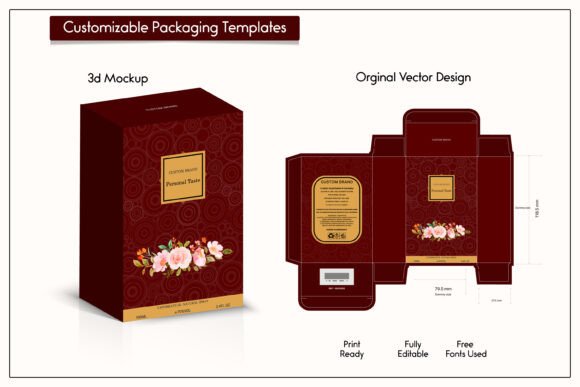
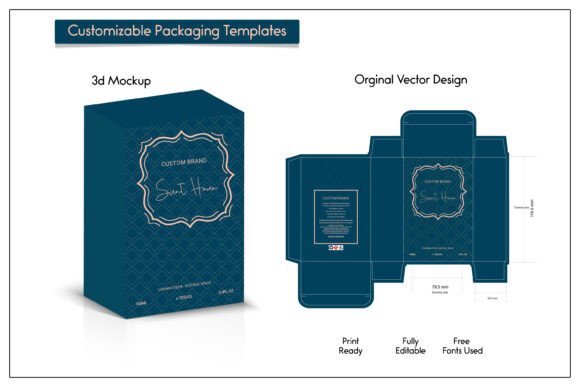
To avoid this, always prioritize fully editable PSD files that are well-organized. Look for templates that offer non-destructive editing capabilities. For instance, a premium 3D Mockup should allow you to adjust the angle, lighting intensity, and material properties. This level of control ensures that your artwork integrates seamlessly into the scene, maintaining realism and professional polish. Remember, the goal is to sell the vision of the product, not just the graphic itself.
Ignoring Resolution and Aspect Ratio Constraints
Another frequent oversight involves technical specifications, particularly resolution and aspect ratio. Many creators ignore the importance of 300 DPI (dots per inch) when preparing files for print or high-resolution displays. Using a low-resolution mockup can result in pixelated edges and blurry textures, which immediately undermines consumer trust. Furthermore, failing to adhere to standard ratios can cause cropping issues across different platforms.
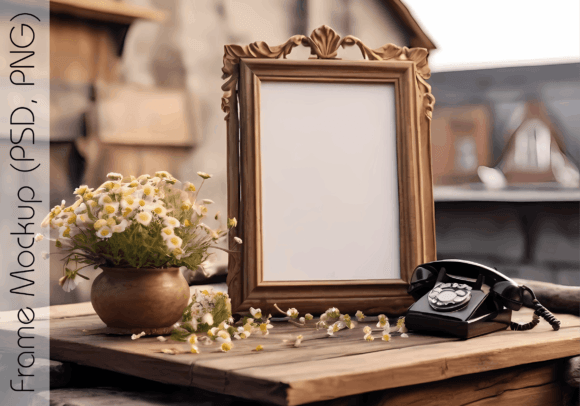
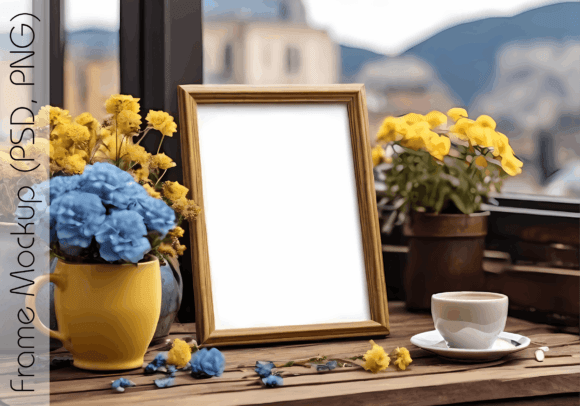
Consider the Product 3D Mockup Design 3×4 official Ratio PSD. This specific ratio is versatile for various applications, from e-commerce listings to social media posts. However, users often attempt to stretch or compress these files to fit unrelated dimensions, distorting the product’s proportions. Instead, choose mockups that offer flexibility. The ideal template provides Sizes can be adjusted as you like, allowing you to scale the canvas without losing quality. Always verify that the downloaded package includes both PSD PNG files or layered PSDs to ensure compatibility with your editing software.
Overlooking Commercial Usage Rights
One of the most critical, yet frequently ignored, aspects of downloading design assets is licensing. Many designers assume that if a file is downloadable, it is free to use for any purpose. This misunderstanding can lead to severe legal complications, especially for entrepreneurs and small business owners. It is essential to confirm that the asset allows for Personal and Commercial Use. Using a mockup restricted to personal projects for a client’s branding campaign or an online store can result in copyright strikes or financial penalties.
Before integrating any Product Mockup into your workflow, read the license agreement carefully. Reputable creators clearly state usage rights. If the documentation is unclear, reach out to the author. Protecting your business means ensuring every asset you use is legally cleared for commercial application. This due diligence saves time and money in the long run, preventing the need to rebrand or redesign marketing materials unexpectedly.
Neglecting File Organization and Editability
Efficiency in design is heavily dependent on file structure. A cluttered, disorganized PSD file can turn a five-minute task into an hour-long frustration. Many users complain about mockups being difficult to edit, but the root cause is often their inability to navigate complex layer structures. High-quality templates feature Well organized PSD files with clearly labeled layers, such as "Place Your Design Here," "Shadow Control," and "Background."
When evaluating a new asset, check for smart objects. These allow you to double-click a layer, paste your artwork, and save, automatically updating the main composition with correct perspective and warping. If a mockup requires manual transformation tools for every update, it is likely not optimized for professional use. Investing in Easy to edit templates pays dividends in productivity, allowing you to produce multiple variations quickly for A/B testing on social media or your website.
Confusing the Mockup with the Final Product
A subtle but important distinction must be made: Artworks are for display only. NOT INCLUDED. Some buyers mistakenly believe that the designs seen in the preview images are part of the download package. This leads to disappointment and negative reviews. It is crucial to understand that a mockup is a container, not the content. You are purchasing the framework to showcase your own creativity.
To maximize the value of your purchase, prepare your artwork in advance. Ensure your logos, patterns, or illustrations are high-resolution and properly formatted. By having your assets ready, you can immediately leverage the High resolution capabilities of the mockup. This approach ensures that the final output reflects your unique brand identity rather than relying on generic placeholder graphics.
Best Practices for Selecting and Using Mockups
To ensure you get the best results from your 3D Mockup investments, follow these practical steps:
- Verify Compatibility: Ensure the PSD file is compatible with your version of Photoshop or alternative software that supports layered files.
- Check Lighting Consistency: Match the light source in the mockup with the lighting in your original design if possible, or adjust the mockup’s shadows to fit your artwork.
- Utilize Smart Objects: Always use smart objects for non-destructive editing, allowing you to tweak your design without losing quality.
- Review License Terms: Confirm commercial usage rights before publishing any content derived from the mockup.
- Optimize for Platform: Use the 3 4 ratio effectively by cropping or adjusting the canvas size specifically for Instagram, Pinterest, or your e-commerce platform requirements.
By paying attention to these details, you transform a simple template into a powerful marketing tool. Whether you are a freelancer showcasing a portfolio or a brand launching a new product line, the right mockup enhances credibility and engagement.
Final Thoughts on Quality and Presentation
The digital marketplace is saturated with visual content. Standing out requires more than just a good design; it demands a professional presentation. A high-quality Product Mockup bridges the gap between concept and reality, giving customers a tangible sense of what they are buying. By avoiding common pitfalls such as ignoring resolution, misinterpreting licenses, or choosing poorly organized files, you ensure that your work is presented in the best possible light.
Remember, the effort you put into selecting the right tools reflects directly on your brand. Choose templates that offer flexibility, clarity, and professional standards. If you find a resource that meets these criteria and helps streamline your workflow, consider supporting the creator. I hope you’ve liked it, if so, please recommend it, I will really appreciate this ❤. Sharing valuable resources helps build a community of informed, skilled designers who prioritize quality and integrity in their work.